Grease Trap Cleaning in Columbia, SC
Restaurants and commercial kitchens run on cleaning schedules set by code and volume, not convenience. We keep grease traps compliant, log every visit for your records, and work around your hours instead of your customers’.
Scheduled around business hours
Sized to your kitchen’s volume
Schedule Grease Trap Service
How FOG Buildup Actually Causes Problems
Fats, oils, and grease — FOG, in industry shorthand — enter a kitchen’s wastewater hot and liquid, then cool and solidify as they move through pipes toward the trap. The trap is designed to catch and hold that material before it reaches the sewer or septic system, but it only works as long as there’s room left inside it to do the job.
Once a trap fills past capacity, FOG starts passing through into the line beyond it, where it re-solidifies as it cools further downstream. That’s how a neglected trap turns into a clogged kitchen drain, a backed-up line, or — for properties on septic rather than sewer — grease reaching a tank and drain field never designed to handle it.
Cleaning frequency depends heavily on kitchen volume rather than a flat calendar. A busy full-service restaurant typically needs service every one to three months; a lower-volume operation might stretch longer. We’ll help you land on a realistic schedule based on how your kitchen actually runs, not a generic default.
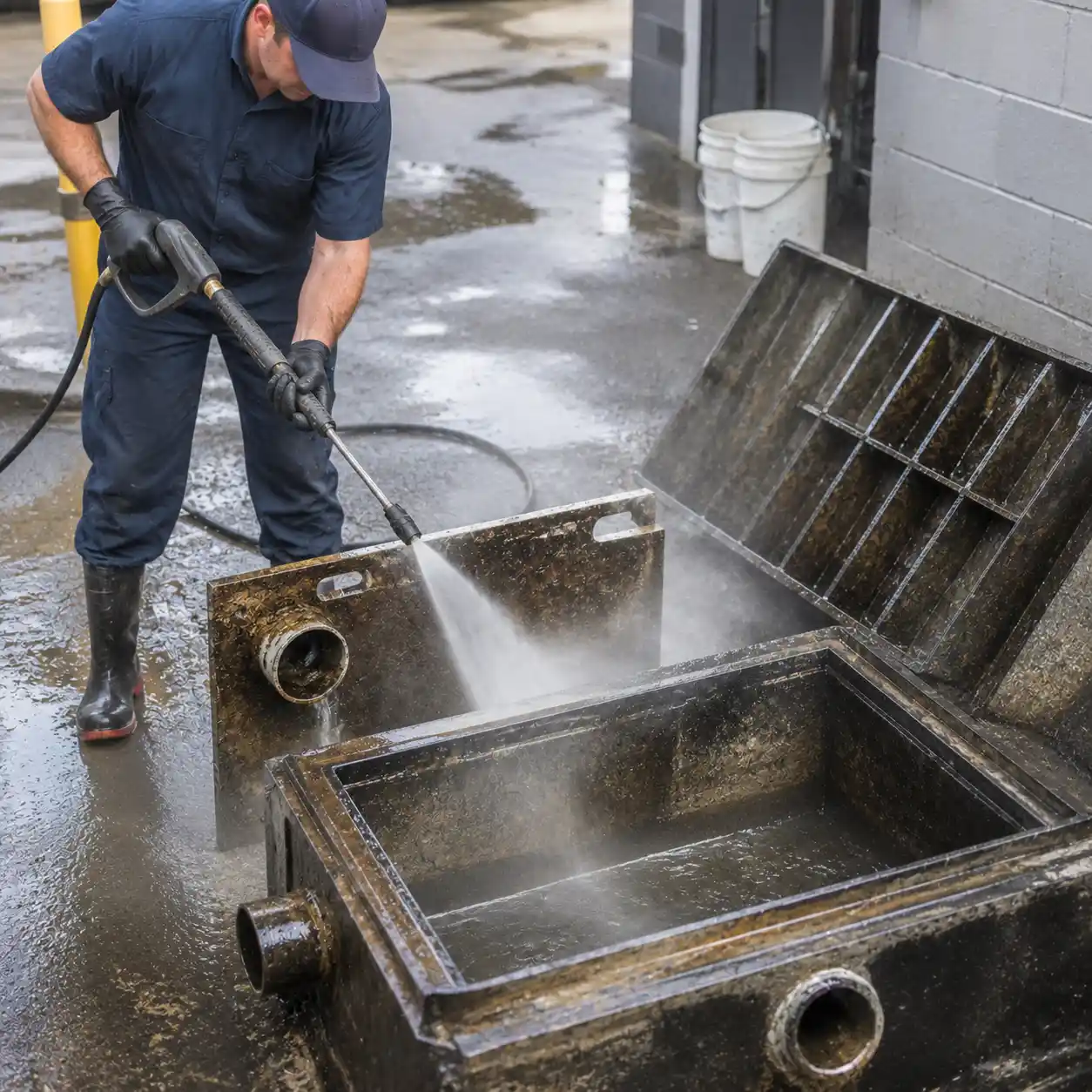
What’s Included in a Grease Trap Service Visit
Consistent, documented, and built to keep you ready for an inspection any day of the year.
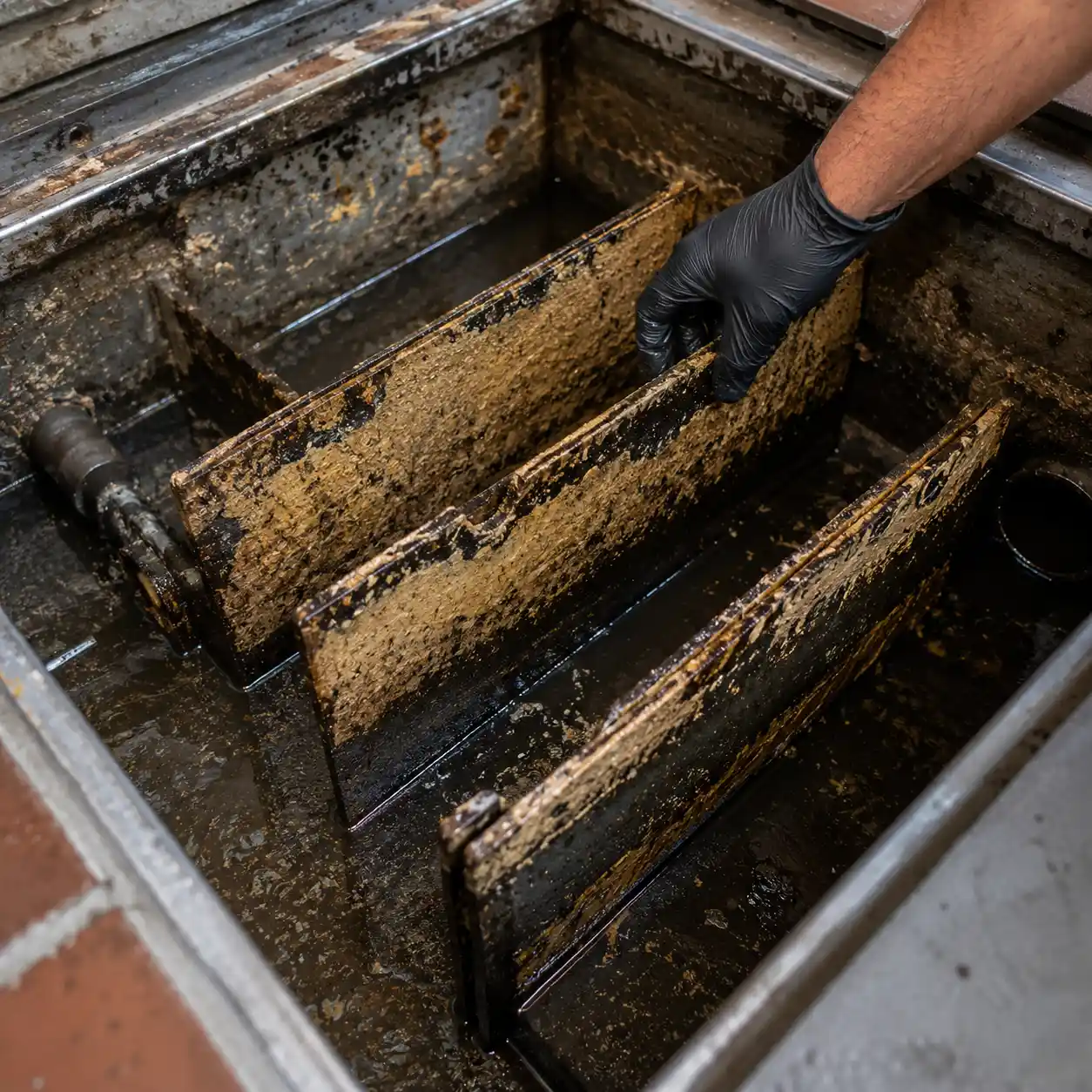
Signs Your Grease Trap Is Overdue
A kitchen team is usually the first to notice, if they know what to look for.
- Slow-draining sinks or floor drains in the kitchen
- A foul, greasy odor near the trap or drains
- Grease visibly rising to the surface when the trap’s opened
- Repeated clogs despite regular kitchen cleaning
- A failed or flagged health inspection related to grease management
Any of these usually means the current schedule needs to move up, not just a one-time cleaning.
What to Expect on Service Day
Schedule Around Your Hours
Before opening, after close, or during a slow window — whatever works for your operation.
Pump & Scrape
Most trap services take about an hour, depending on trap size and how overdue it is.
Inspect & Document
We check components and log the visit with photos for your compliance records.
Schedule Confirmation
Before we leave, you’ll know your next recommended service date.
What Actually Affects Cleaning Frequency
There’s no single right interval — it depends on how your kitchen actually operates.
Meal volume is the biggest driver — a high-turnover kitchen frying and sautéing all day fills a trap far faster than a coffee shop with a light food menu. Trap size relative to kitchen output matters just as much: an undersized trap for the volume it handles needs more frequent attention regardless of what type of food is being prepared. Local sewer authority or health department requirements can also set a minimum interval independent of your actual usage, so it’s worth confirming your specific obligation rather than relying on volume alone. We’ll help you land on a schedule based on your real numbers after the first few service visits.
Keeping You Inspection-Ready
Every commercial kitchen we service gets a documented record for each grease trap visit — date, findings, and volume removed — kept on file and available whenever a local health inspector asks for it.
Requirements vary by municipality and local sewer authority across Richland, Lexington, and Kershaw Counties, so we’d recommend confirming your specific interval requirement directly with your local authority — we’re happy to work backward from whatever that number is.
If you’re opening a new location, we can also help set an initial schedule before your first inspection.
Grease Trap Questions We Hear Often
Yes, this is the norm for most of our commercial clients — early morning or after close, whatever avoids disrupting service.
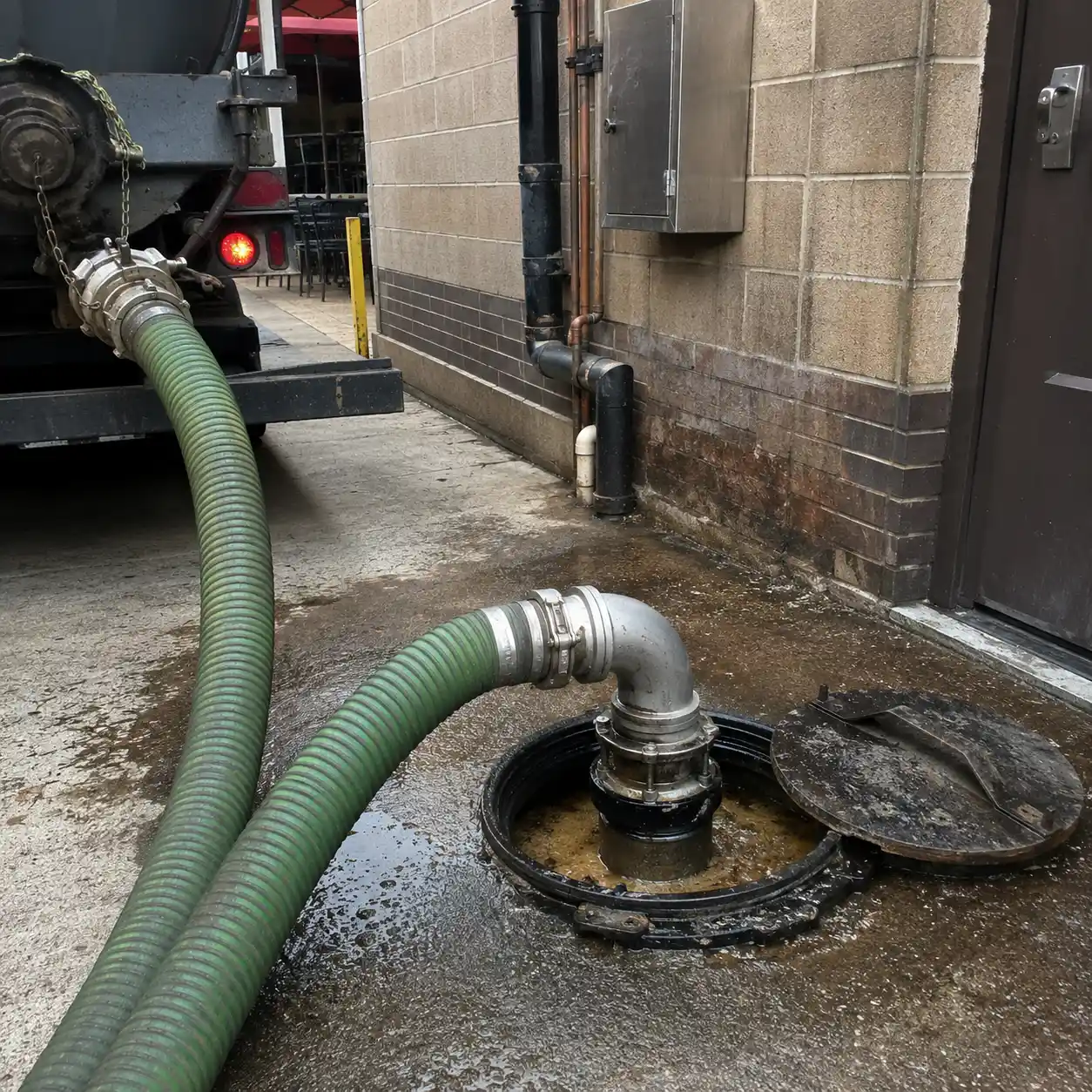
They do the same basic job, but interceptors are larger, often installed outside or below-grade, and built for higher-volume kitchens. We service both.
Yes, every visit is logged and documentation is provided on request — most of our commercial clients keep these on file specifically for that purpose.
That’s typically determined during permitting for a new build-out based on projected volume — if you’re unsure whether your current trap is adequately sized, we can evaluate that during a service visit.
Yes, on properties running septic rather than city sewer — grease that passes an overfull trap ends up in the tank and drain field, where it causes the same kind of buildup and blockage problems it’s designed to prevent in the first place.
Grease Trap Service Across the Midlands
We service commercial kitchens across Richland, Lexington, and Kershaw Counties, from downtown Columbia restaurants to standalone locations out toward Camden.
Opening a new location or unsure if you’re in our coverage area? Reach out before your first inspection.
- Richland County — Columbia and surrounding communities
- Lexington County — Lexington, Irmo, Chapin and surrounding communities
- Kershaw County — Camden and surrounding communities
Other Septic Services We Offer
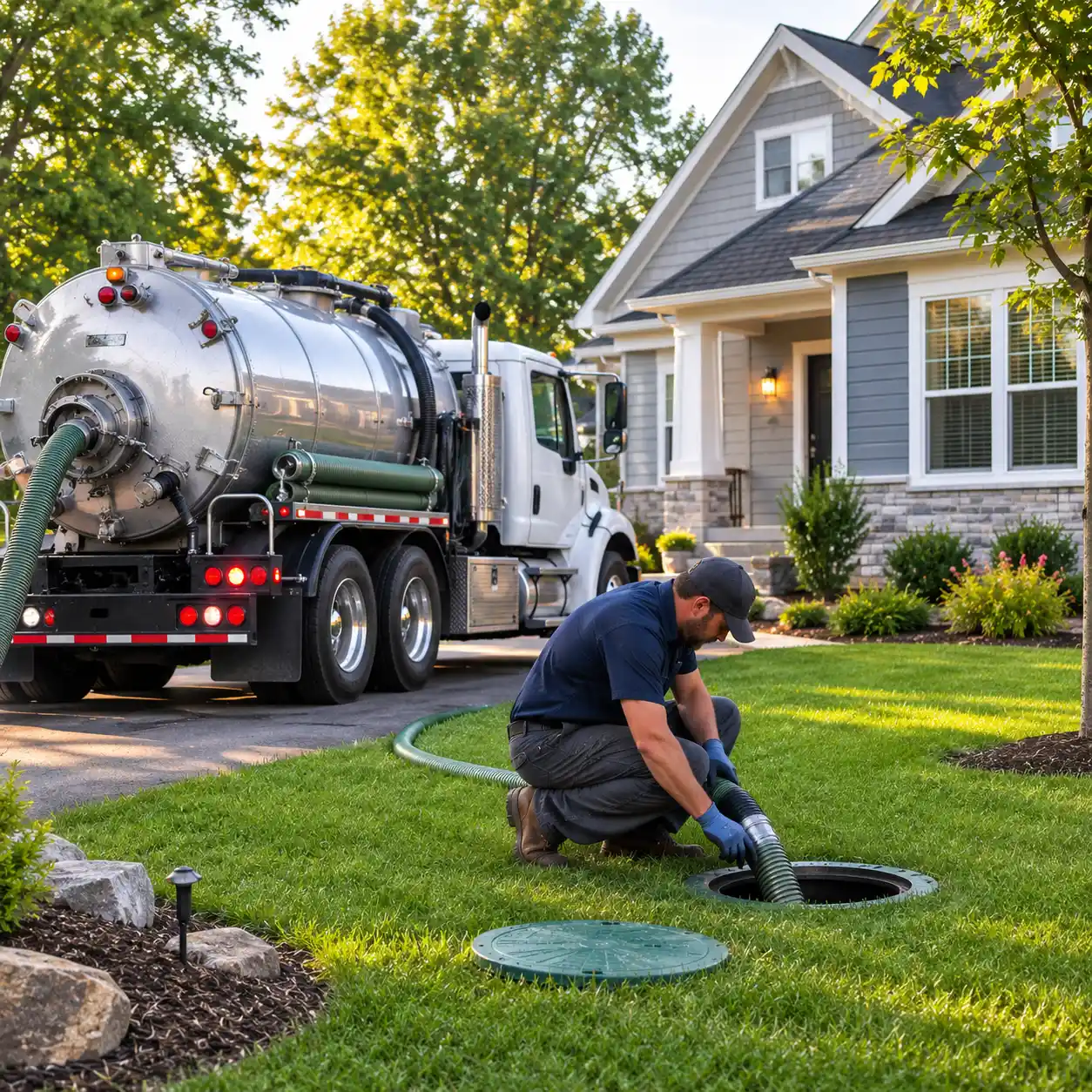
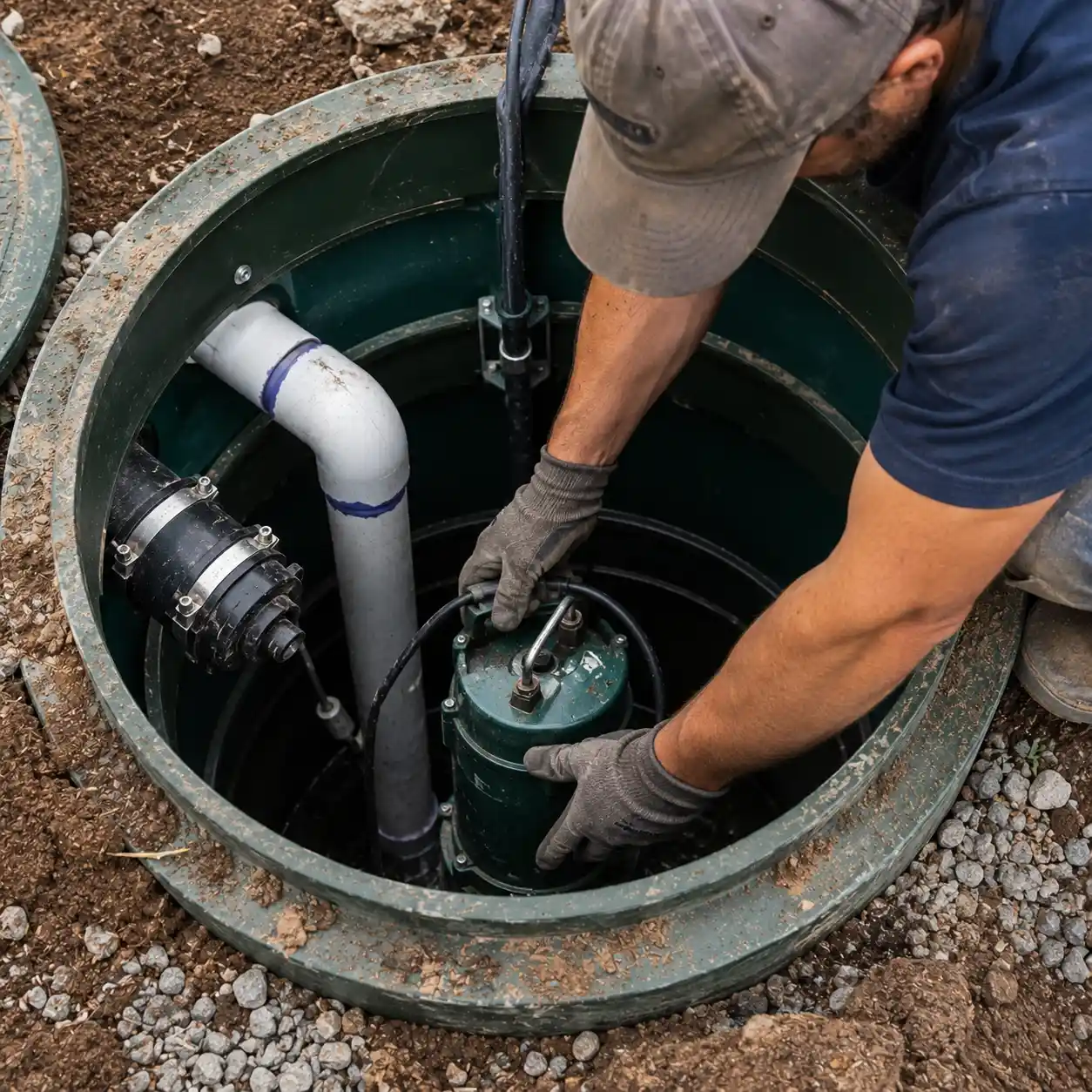
Septic Tank Pumping
For commercial properties on septic rather than sewer, alongside your grease trap schedule.
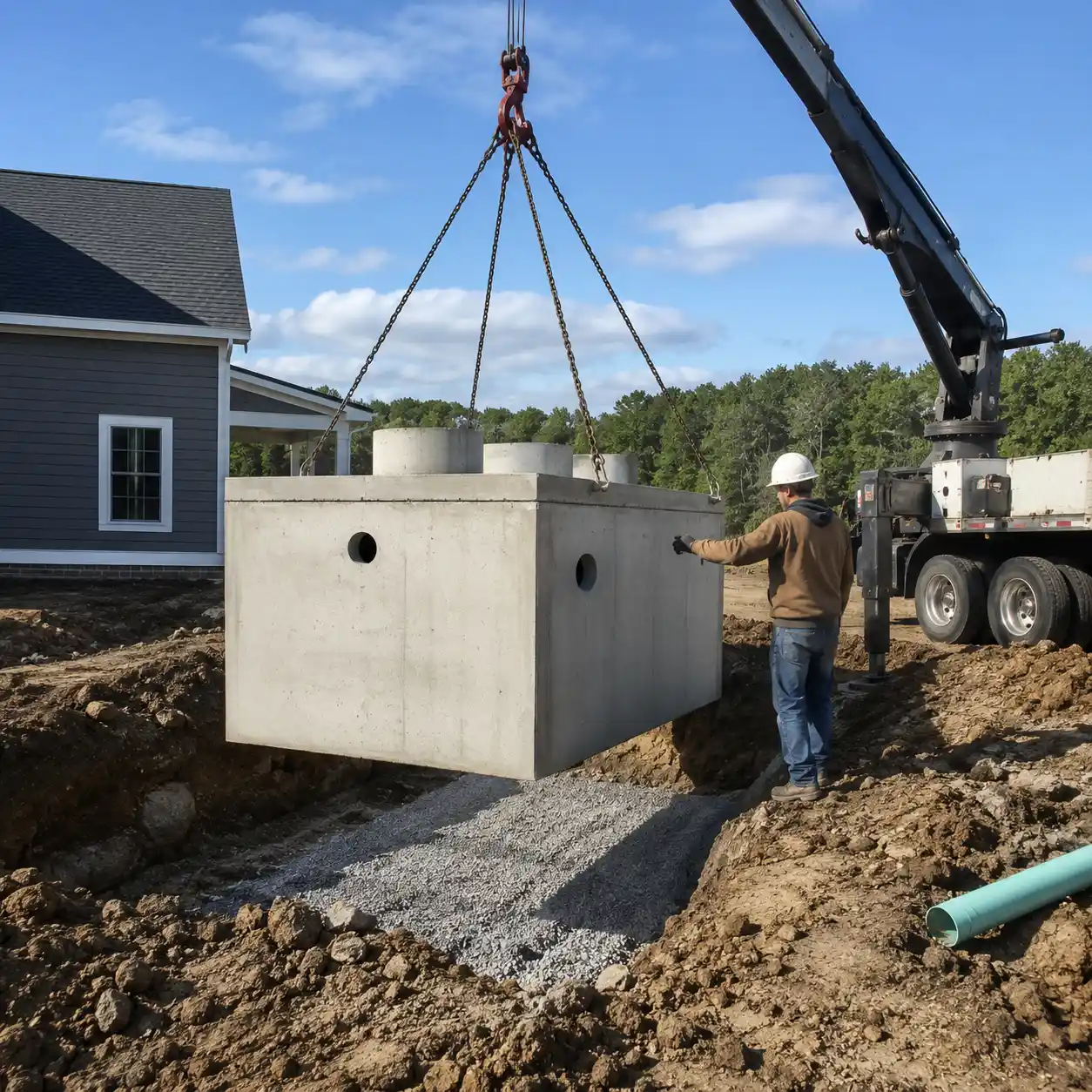
System Installation
For new commercial builds needing a properly sized system from the ground up.
Get Your Kitchen on a Grease Trap Schedule
Tell us about your kitchen’s volume and hours, and we’ll build a service schedule around it.
- Full trap pump-out & scraping
- Component & leak inspection
- Licensed FOG waste disposal
- Documented service log
- Scheduling around your business hours
- Recommended interval based on your volume
Tell Us About Your Needs
We’ll reach out to confirm your appointment details.