Septic Tank Dos and Don’ts for New Homeowners
If you’ve never lived with a septic system before, the learning curve is smaller than it seems — a handful of habits make the difference between a system that runs quietly for decades and one that ends up needing early, expensive repairs.
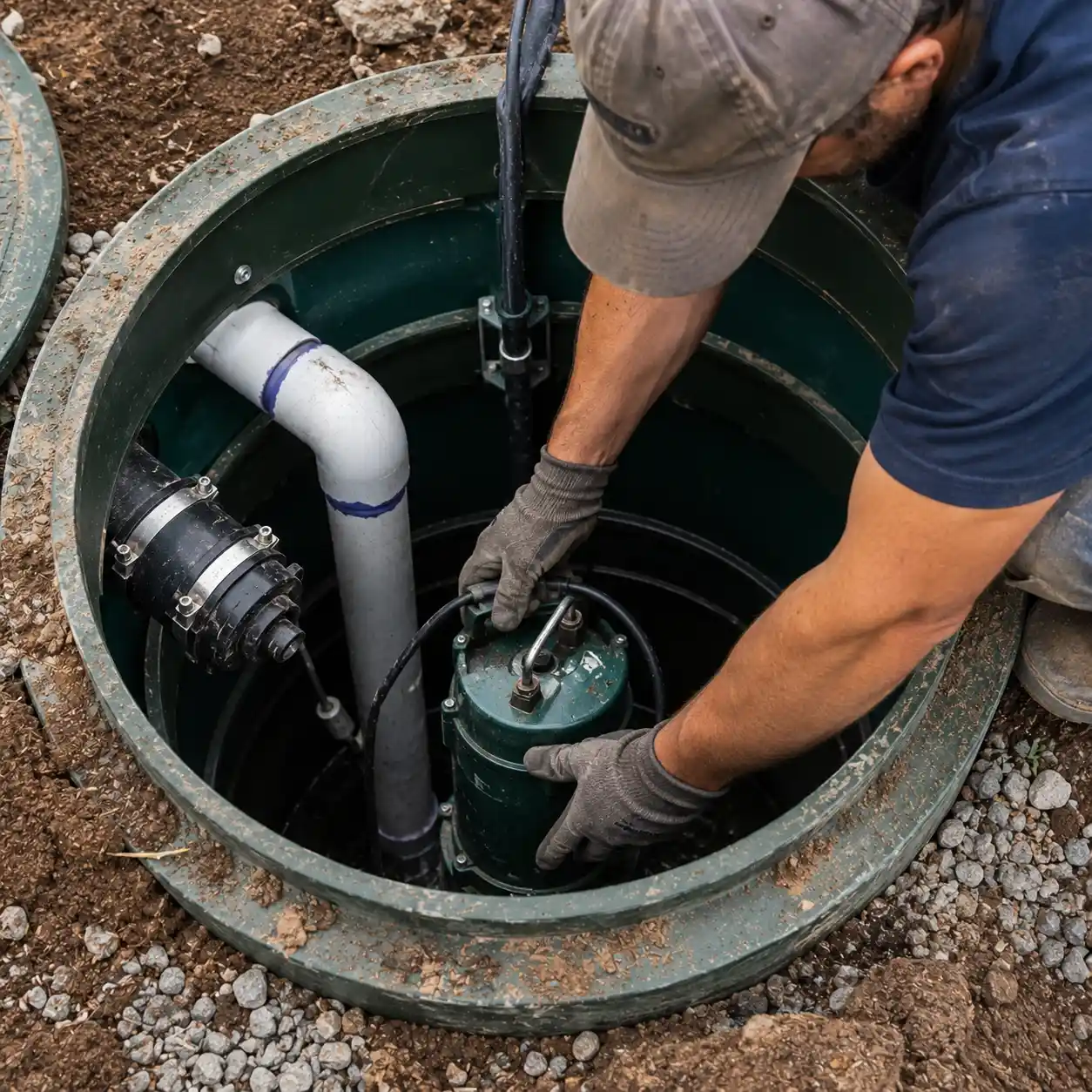
Why a Septic System Isn’t “Set and Forget”
If you grew up on city sewer, the idea that what you flush and rinse down the drain has consequences beyond your own house is a new one. A municipal sewer system doesn’t care much what goes into it — it’s built to handle a huge volume from thousands of households and treats everything at a central plant. A septic system is the opposite: it’s a small, self-contained biological process happening entirely on your own property, and it depends on a fairly delicate balance to keep working.
That balance isn’t hard to maintain once you know what it depends on. Most of what follows isn’t about being paranoid over every load of laundry — it’s a short list of habits that, once they’re second nature, protect a system that’s genuinely expensive to repair or replace if it’s neglected.
The Dos
Know Where Your Tank and Drain Field Are
This is the single most useful thing you can do in your first month in a new septic home, and it takes almost no effort. Ask the previous owner, check your closing paperwork for a septic permit or as-built drawing, or have us come out and locate it for you. Once you know where the tank and field sit, half of the maintenance advice in this article becomes much easier to follow — you’ll know where not to park, where not to plant trees, and where to look if you ever notice standing water or unusually green grass.
Keep a Simple Record of Service Dates
A note on your phone or a folder with service receipts is enough. Knowing when your tank was last pumped, and by whom, means you’re not guessing years down the line — and it’s genuinely useful information to hand off to the next owner when you eventually sell, the same way you’d keep records for a roof replacement or a new water heater.
Spread Out Heavy Water Use
Running the dishwasher, washing machine, and several showers back to back sends a large volume of water through the tank at once, which gives solids less time to settle before liquid moves on toward the drain field. Spreading laundry loads across the week instead of running five in a single Saturday gives your system more breathing room to work the way it’s designed to.
Get an Inspection on a Regular Schedule
A pumping visit gives us a look inside the tank; a full inspection also checks the drain field, the pipes, and the overall condition of the system. Doing this every few years, even when nothing seems wrong, is how small issues get caught while they’re still small.
The Don’ts
Don’t Flush Wipes, Even the “Flushable” Kind
Toilet paper is engineered to break apart quickly in water. Wipes, even ones labeled flushable, generally aren’t, and they can accumulate in the tank or clog the line leading to it. The same goes for paper towels, feminine hygiene products, and cotton swabs — if it’s not toilet paper or human waste, it belongs in the trash, not the toilet.
Don’t Lean on the Garbage Disposal
Every scrap a disposal grinds up still has to be broken down inside the tank, and food waste doesn’t decompose there the way it would in a compost pile. Heavy, regular disposal use is one of the fastest ways to shorten the interval between pump-outs. Scraping plates into the trash instead is a small habit that meaningfully extends how long your tank can go between services.
Don’t Pour Grease or Cooking Oil Down the Drain
Grease cools and solidifies once it’s out of the pan, and it does the same thing inside your pipes and tank. Over time it can coat the inside of lines and contribute to clogs at the worst possible point in the system. Let it cool in the pan or a container and throw it away instead.
Don’t Rely on Septic Additives or Excessive Bleach
Your tank already contains the bacteria it needs to break down waste — that process happens naturally and doesn’t need help from a store-bought additive, most of which don’t do much beyond what’s already occurring. What can actually cause harm is heavy, regular use of bleach or other harsh chemicals, which can kill off the bacterial population your system depends on. Normal household cleaning is fine; it’s the habitual, heavy use that causes problems.
Don’t Park, Build, or Plant Trees Over the Field
The weight of a car or a shed can compact the soil above a drain field, reducing its ability to absorb water. Tree roots are a separate problem entirely — they’re drawn to the moisture in a drain field and can grow directly into pipes over time, causing blockages that are genuinely difficult to fix without excavation. Once you know where your field is, keep it clear of both.
New to Septic and Want a Baseline Check?
A first inspection gives you a clear starting point for your new system.
Schedule a Baseline Inspection
Serving Columbia and all of the Midlands.
What Happens When These Habits Slip
None of this is about a single mistake causing a disaster. Flushing one wipe by accident or forgetting to scrape a plate one night isn’t going to break your system. The risk is cumulative — years of heavy disposal use, grease going down the drain out of habit, and a tank that never gets pumped on schedule all stack on top of each other, and the system eventually shows the wear from all of it at once, usually as a slow drain, a backup, or a struggling drain field.
The good news is that the reverse is also true. A household that builds these habits early rarely deals with anything beyond routine, scheduled maintenance for the life of the system. It’s a low-effort trade for avoiding what’s genuinely one of the more expensive repairs a home can need.
Building Good Habits From Day One
If you’ve just moved into a septic home and aren’t sure where to start, a baseline inspection is a good first step regardless of how the system looks on paper. We’ll locate your tank and field, check current condition, and give you a realistic sense of when your next pumping should be — a clean starting point rather than a guess based on the paperwork from the previous owner.
New to Septic? Start With a Clear Baseline
We’ll locate your system, check its condition, and walk you through exactly what it needs going forward.
- Tank and drain field location and mapping
- Baseline condition inspection
- Realistic pumping schedule recommendations
- Straightforward answers to first-time-owner questions
- Routine pumping and cleaning
- Serving all of the Midlands
Tell Us About Your Needs
We’ll reach out to confirm your appointment details.